

SEO
Unlocking the Power of SEO: A Comprehensive Guide
In today’s digital landscape, where an online presence is critical for business success, search engine optimization (SEO) stands as a cornerstone strategy to boost visibility, attract organic traffic, and drive conversions. SEO focuses on refining your website and content to rank prominently on search engine results pages (SERPs), ensuring you connect with the right audience. This guide explores the essence of SEO, its key components, and actionable practices to help you harness its immense potential as a transformative marketing tool.
What is SEO and Why Does It Matter?
- Understanding SEO:
Unpacking its definition and role in digital marketing. - Organic vs. Paid Search:
The distinction between earning visibility and buying ads. - Core Benefits:
How SEO drives traffic, builds credibility, and enhances ROI.

Core Components of SEO
1.On-Page Optimization:
- Conducting Keyword Research:
Target relevant terms to improve search visibility. - Crafting Compelling Title Tags, Meta Descriptions, and Headers:
Create attractive and optimized metadata to boost click-through rates. - Producing Optimized, Valuable Content:
Deliver high-quality content tailored for users and search engines. - Structuring URLs and Improving Internal Links:
Optimize website structure for better navigation and SEO performance.
2.Off-Page Optimization:
- Earning High-Quality Backlinks: Establish authority by gaining links from reputable and relevant websites.
- Leveraging Social Media: Use social platforms to generate signals, boost engagement, and increase visibility.
- Managing Online Reputation: Build trust and credibility by monitoring and improving your brand’s online presence.
3.Technical Optimization:
- Enhancing Site Speed and Ensuring Mobile-Friendliness:
Improve website performance and ensure a seamless user experience across all devices. - Creating XML Sitemaps and Managing Robots.txt Files:
Help search engines crawl and index your website more efficiently. - Utilizing Schema Markup for Rich Results:
Implement structured data to enhance search appearance and click-through rates. - Addressing Canonicalization and Implementing Redirects Effectively:
Prevent duplicate content issues and maintain proper link equity across your site.
Proven SEO Best Practices
- Develop a Robust Keyword Strategy: Create a comprehensive keyword plan to guide your content and improve search visibility.
- Publish Engaging, Value-Driven, and Original Content: Focus on producing high-quality, unique, and user-focused content that resonates with your audience.
- Optimize Site Navigation: Ensure seamless user experience by improving your website’s navigation structure.
- Build Authoritative Backlinks: Gain links from trusted and relevant sources to boost your site’s credibility and authority.
- Use Social Media to Amplify Reach: Leverage social platforms to expand your content’s visibility and enhance SEO performance.
- Regularly Analyze SEO Performance: Use advanced analytics tools to monitor metrics, identify issues, and refine strategies.
- Stay Updated on Algorithm Changes and Industry Trends: Keep track of search engine updates and evolving best practices to maintain competitiveness.

Essential Tools for SEO Success
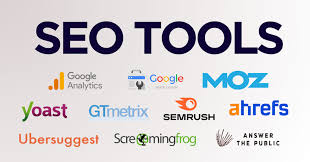
- Keyword Tools:
Find high-impact search terms with tools like Google Keyword Planner. - Analytics Platforms:
Track progress using Google Analytics and Search Console. - Backlink Analysis:
Assess link profiles with platforms like Ahrefs or SEMrush. - Plugins:
Simplify optimization with SEO tools like Yoast or Rank Math. - Community Insights:
Gain tips and advice from SEO forums and groups.
Avoiding Common SEO Pitfalls
- Keyword Tools:
Find high-impact search terms with tools like Google Keyword Planner. - Analytics Platforms:
Track progress using Google Analytics and Search Console. - Backlink Analysis:
Assess link profiles with platforms like Ahrefs or SEMrush. - Plugins:
Simplify optimization with SEO tools like Yoast or Rank Math. - Community Insights:
Gain tips and advice from SEO forums and groups.
Conclusion:
Search engine optimization is a dynamic and vital component of digital marketing that offers unmatched opportunities to elevate your business. By embracing strategic SEO practices, you can boost visibility, drive qualified traffic, and achieve sustained growth. Remember, SEO is an ongoing journey, requiring continuous refinement and adaptation to remain competitive. Invest in SEO today to secure a powerful presence in the ever-changing online landscape.